You finally start seeing some hair growth, but then the ends become dry, rough, and thin again. A few weeks later, you notice split ends everywhere, strands snapping during brushing, and your hair looking uneven no matter how careful you try to be.
This cycle frustrates a lot of people.
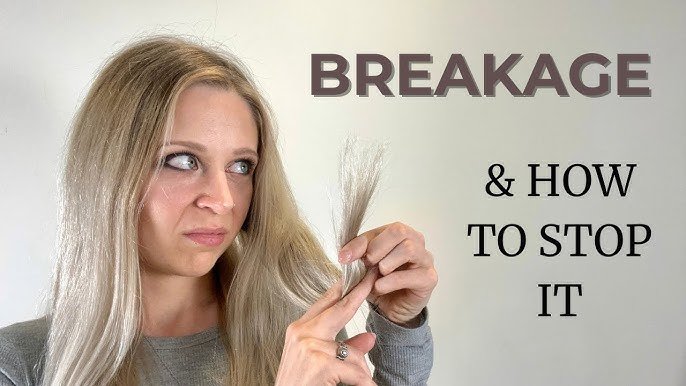
Many assume their hair “just doesn’t grow,” but in reality, the bigger problem is usually breakage at the ends. Your hair may actually be growing normally from the roots while the damaged ends continue breaking off at the same speed.
That’s why your length never seems to improve.
The good news is that once you understand what’s causing the breakage, it becomes much easier to fix. Most people unknowingly damage their ends every single day through habits that seem harmless.
This guide explains the real causes of hair breakage, what mistakes make it worse, and the practical changes that actually help protect your hair long-term.
Why Hair Ends Break More Easily Than the Rest of Your Hair
The ends of your hair are the oldest part of each strand.
Think about it this way: if your hair is shoulder-length, the ends may be several years old. During that time, they’ve survived:
- Heat styling
- Sun exposure
- Washing
- Brushing
- Tight hairstyles
- Friction from pillows and clothes
- Weather changes
Over time, the protective outer layer of the hair weakens. Once that happens, the ends become dry, fragile, and more likely to split.
That’s why hair breakage usually starts at the bottom first.
Signs Your Hair Ends Are Breaking
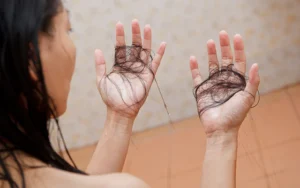
Many people confuse normal shedding with breakage.
Here’s how to tell the difference.
Signs of Hair Breakage
- Short broken strands around your shoulders or sink
- Split ends
- Thin-looking ends
- Rough texture
- Hair snapping during brushing
- Uneven hair length
- Hair tangling easily
Signs of Normal Hair Shedding
- Full strands with a tiny white bulb at the root
- Shedding mostly during washing or brushing
- Hair falling from the scalp naturally
Breakage usually means the hair shaft itself is weak or damaged.
The Biggest Causes of Hair Breakage at the Ends
Heat Styling Damage
One of the most common reasons hair keeps breaking is excessive heat.
Flat irons, curling wands, and blow dryers remove moisture from the hair over time. Even expensive heat protectants cannot fully prevent damage when heat is used daily.
Common mistake:
Many people repeatedly straighten already damaged hair, making the ends thinner and weaker every week.
Better approach:
- Lower the heat temperature
- Limit heat styling days
- Avoid touching the same section repeatedly
- Use heat only on fully dry hair
Small changes can reduce breakage dramatically.
Overwashing and Harsh Shampoo
Some shampoos clean too aggressively.
When natural oils are stripped away constantly, the ends become extremely dry. Dry hair breaks more easily because it lacks flexibility.
Signs your shampoo may be too harsh:
- Squeaky feeling after washing
- Hair feels rough immediately after drying
- Increased tangling
- Frizzy ends
A gentler shampoo often improves hair texture more than expensive repair treatments.
Your Hair Is Too Dry
Dryness is one of the biggest hidden causes of breakage.
Hair needs a balance of moisture and strength. When moisture levels drop too low, strands become stiff and brittle.
Causes of Dry Hair
- Heat styling
- Sun exposure
- Hard water
- Overwashing
- Bleaching
- Chemical treatments
- Lack of conditioning
What helps:
- Deep conditioning regularly
- Leave-in conditioners
- Reducing heat exposure
- Protecting hair overnight
Healthy hair bends slightly without snapping immediately.
Split Ends Keep Traveling Upward
A split end rarely stays small.
Once the hair splits, the damage can continue moving upward through the strand like a tear in fabric. This creates even more breakage over time.
That’s why ignoring split ends for too long usually leads to thinner-looking hair.
Do trims help?
Yes — not because trimming speeds growth, but because it removes damaged sections before the splitting worsens.
Even small trims every few months can help preserve thickness and retain length.
Tight Hairstyles Quietly Damage Your Ends
Hair ties, slick buns, tight braids, and extensions create tension on the strands.
Over time, repeated tension weakens the hair shaft and causes breakage, especially near the ends and around the hairline.
Safer alternatives:
- Loose braids
- Soft scrunchies
- Lower tension styles
- Taking breaks from extensions
Comfort usually means less stress on the hair.
Brushing the Wrong Way Causes More Damage Than People Think
Aggressive brushing is a major source of breakage.
Wet hair is especially fragile. Pulling through knots quickly can snap strands instantly.
Better brushing habits:
- Start from the ends first
- Work upward slowly
- Use wide-tooth combs for wet hair
- Avoid ripping through tangles
Patience matters more than expensive brushes.
Cotton Pillowcases Increase Friction
Most people never think about what happens to their hair during sleep.
Cotton pillowcases create friction that roughens the hair cuticle overnight. This can lead to frizz, tangles, and breakage.
Better options:
- Satin pillowcases
- Silk pillowcases
- Loose nighttime braids
These reduce friction and help protect fragile ends.
Protein Overload Can Make Hair Brittle
People with damaged hair often overuse protein treatments hoping for faster repair.
But too much protein can backfire.
Instead of becoming stronger, hair may feel:
- Hard
- Dry
- Stiff
- Easier to snap
Hair needs both:
- Protein for strength
- Moisture for flexibility
Balance matters more than constantly applying treatments.
Chemical Treatments Weaken Hair Structure
Bleaching, coloring, relaxing, and perming all affect the hair’s internal structure.
Repeated chemical processing weakens the strands and makes the ends especially vulnerable.
This doesn’t mean you must avoid coloring forever. It simply means chemically treated hair needs extra care and realistic expectations.
Helpful habits after chemical treatments:
- Reduce heat styling
- Increase moisture care
- Avoid overlapping bleach sessions
- Use gentler hair handling
Your Diet Can Affect Hair Strength
Weak, brittle hair sometimes reflects nutritional issues.
Hair depends on nutrients to stay strong.
Important nutrients for healthy hair:
| Nutrient | Why It Matters |
|---|---|
| Protein | Supports hair structure |
| Iron | Helps oxygen circulation |
| Zinc | Supports repair processes |
| Healthy fats | Improve moisture balance |
| Vitamin D | Supports hair cycle health |
Crash dieting and poor nutrition often make breakage worse.
Common Mistakes That Make Hair Breakage Worse
Using Too Much Heat Protection as an Excuse
Heat protectants reduce damage. They do not make hair invincible.
Daily high heat still weakens hair gradually.
Applying Heavy Oils to Extremely Dry Hair
Oil seals moisture in, but it does not replace moisture by itself.
Very dry hair often needs water-based moisture first.
Skipping Regular Trims for Years
Avoiding trims completely usually causes more length loss eventually because damaged ends continue splitting upward.
Using Tight Elastic Bands
Thin elastic ties create unnecessary stress on the hair shaft.
Soft scrunchies are gentler.
Washing Hair With Very Hot Water
Hot water can dry out both the scalp and the hair shaft.
Lukewarm water is usually better for moisture retention.
What Actually Helps Stop Hair Breakage
Focus on Length Retention
Most people obsess over growth products while ignoring breakage prevention.
Retaining length matters just as much as growing it.
Create a Simple Protective Routine
Complicated routines are hard to maintain consistently.
A practical routine often works best:
- Gentle shampoo
- Moisturizing conditioner
- Leave-in conditioner
- Heat protection when styling
- Regular trims
- Protective sleep habits
Consistency is what creates results.
The Truth About “Repairing” Damaged Hair
This surprises many people:
Dead hair cannot fully heal itself permanently.
Products can improve appearance temporarily by smoothing and coating the strands, but severely split or damaged ends usually need trimming eventually.
That doesn’t mean products are useless. Good products help protect the hair from further damage and improve manageability.
But no product can completely reverse years of breakage instantly.
How Long Does It Take to Improve Hair Breakage?
Most people notice improvement gradually over several months.
Hair care is slow because hair damage builds slowly too.
The key is reducing repeated damage consistently:
- Less heat
- Better moisture balance
- Gentler handling
- Better nighttime care
- Regular maintenance
Small habits repeated daily matter more than expensive treatments used occasionally.
Realistic Expectations Matter
Social media often creates unrealistic hair expectations.
Many “perfect hair” photos involve:
- Extensions
- Filters
- Professional styling
- Lighting tricks
Real healthy hair still experiences:
- Frizz
- Dryness sometimes
- Split ends occasionally
- Seasonal changes
The goal is healthier, stronger hair — not perfection.
Pro Tips for Stronger Hair Ends
Protect hair from clothing friction
Scarves, rough sweaters, and jackets can rub against the ends constantly.
Use microfiber towels
Regular towels create friction and rough handling.
Detangle before washing
Large knots tighten more during shampooing.
Avoid sleeping with soaking wet hair
Wet hair stretches and breaks more easily.
Take progress photos monthly
Changes become easier to notice over time.
FAQ Section
Why do my hair ends keep breaking no matter what I use?
Your hair may still be exposed to heat, friction, dryness, or harsh handling daily. Products alone cannot fully stop ongoing damage.
Can split ends be repaired permanently?
No. Products can temporarily improve appearance, but split ends usually need trimming to prevent further damage.
Does trimming hair stop breakage?
Trimming removes damaged ends before splitting spreads upward, helping reduce future breakage.
Why is my hair growing but still staying the same length?
Your hair may be breaking at the same rate it grows, preventing noticeable length retention.
Is oil enough to stop dry hair breakage?
Oil helps seal moisture, but severely dry hair also needs hydration and gentle care habits.
How often should I trim damaged ends?
Many people benefit from light trims every 2–4 months depending on damage levels and styling habits.
Conclusion
If your hair keeps breaking at the ends, the issue usually isn’t slow growth — it’s accumulated damage.
Daily habits like heat styling, rough brushing, tight hairstyles, dryness, and friction slowly weaken the oldest parts of the hair first. Expensive products may temporarily improve appearance, but long-term results come from reducing damage consistently.
Healthier hair usually grows from simple habits done regularly:
- Gentler handling
- Better moisture balance
- Less heat
- Protective sleep care
- Regular trims
- Patience
Once you focus on protecting your ends instead of constantly chasing miracle products, hair becomes much easier to manage and retain over time.