You buy the expensive shampoo.
You try the viral hair serum.
You switch to sulfate-free products, sleep on a satin pillowcase, and maybe even start oiling your scalp every weekend.
But months later, your hair still looks the same.
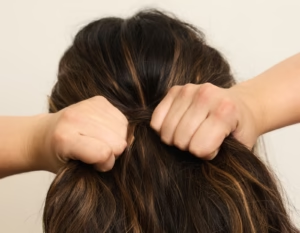
At some point, it becomes frustrating. Many people start thinking their hair is “damaged forever” or that they simply have “bad genetics.” In reality, hair growth problems are usually caused by a combination of habits, scalp issues, health factors, and unrealistic expectations — not just the products you use.
The truth is simple: expensive hair products cannot fix deeper problems by themselves.
This guide breaks down the real reasons your hair may not be growing, what most people misunderstand about hair growth, and the practical changes that actually make a difference.
Understanding Hair Growth First
Before blaming products, it helps to understand how hair actually grows.
Hair grows from follicles under the scalp. On average, hair grows around half an inch per month. Some people grow slightly faster, others slower. Genetics play a role, but daily habits matter more than most people realize.
One important thing many people miss:
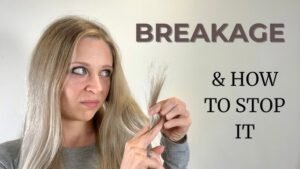
Sometimes your hair is growing, but it keeps breaking before you notice the length.
That changes everything.
You may not have a growth problem at all. You may have a breakage problem.
Signs Your Hair Is Breaking Instead of Growing
Many people confuse hair breakage with slow growth.
Here are common signs:
- Split ends everywhere
- Hair feels thinner at the ends
- Uneven length
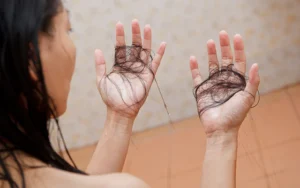
- Excessive shedding after brushing
- Dry, rough texture
- Hair snaps easily when stretched
- Length stays the same for months
If this sounds familiar, your focus should shift from “growth products” to “damage prevention.”
The Biggest Reason Expensive Products Fail
Most hair products only work on the surface.
A serum can make hair shinier.
A conditioner can make it softer.
A mask can temporarily reduce dryness.
But products cannot fully overcome:
- Poor nutrition
- Constant heat damage
- Tight hairstyles
- Hormonal issues
- Stress
- Lack of scalp care
- Overwashing
- Protein imbalance
- Poor sleep habits
This is why someone can spend hundreds of dollars on hair care and still struggle with growth.
Hair health starts internally and behaviorally before it becomes cosmetic.
You Might Be Damaging Your Hair Every Day Without Realizing It
Heat Styling Too Often
Flat irons, curling wands, and blow dryers weaken hair over time.
Even with heat protectant, repeated exposure slowly damages the hair cuticle. Once the cuticle becomes weak, hair breaks more easily.
Common mistake:
People use expensive repair masks while continuing daily heat styling. That’s like trying to fill a leaking bucket.
Better approach:
- Reduce heat styling frequency
- Use lower temperatures
- Air dry when possible
- Avoid touching up the same section repeatedly
Tight Hairstyles Are Pulling Your Hair Out
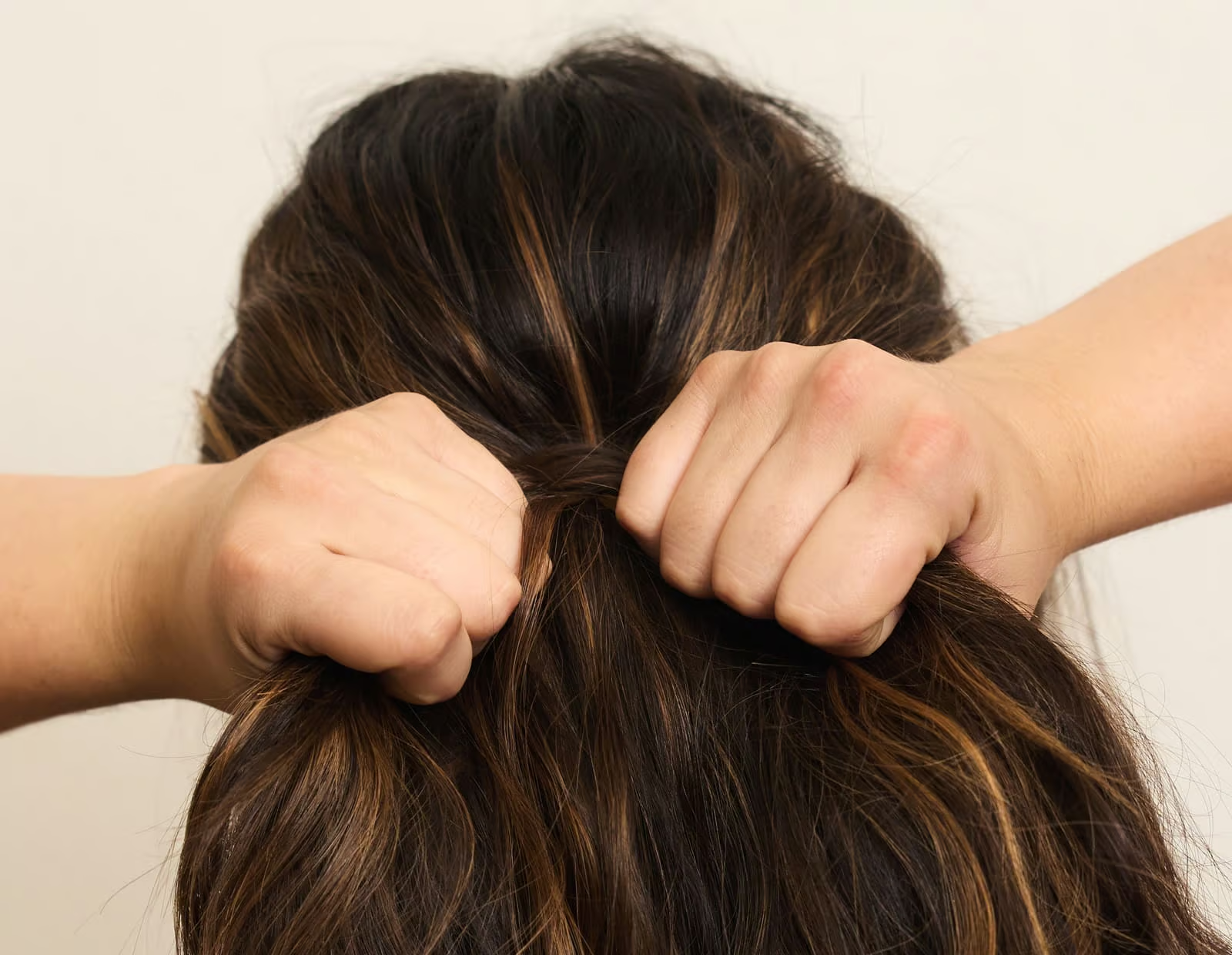
Slick buns, tight ponytails, braids, and extensions can stress the hair follicles.
Over time, this may lead to traction alopecia — gradual hair loss caused by constant pulling.
Early warning signs:
- Sore scalp
- Tiny bumps around the hairline
- Thinning edges
- Headaches after hairstyles
Loose hairstyles are healthier long-term.
You’re Overwashing Your Hair
Washing too frequently strips natural oils from the scalp.
When the scalp becomes overly dry, hair may become brittle and prone to breakage.
This doesn’t mean you should stop washing completely. A dirty scalp can also block healthy growth.
The goal is balance.
General guideline:
- Oily scalp: wash 2–4 times weekly
- Dry or curly hair: wash less frequently
- Use gentle shampoos instead of harsh cleansing formulas
Your Scalp Health Matters More Than Most Products
Healthy hair starts with a healthy scalp.
Think of the scalp like soil for a plant. Even the best products struggle if the foundation is unhealthy.
Signs of Poor Scalp Health
- Flaking
- Itching
- Excess oil
- Redness
- Product buildup
- Tenderness
- Pimples on scalp
Heavy oils and styling products can sometimes clog follicles rather than help them.
What Actually Helps
Gentle scalp massage
Massaging improves circulation temporarily and helps distribute oils naturally.
Clarifying occasionally
Product buildup can suffocate the scalp over time.
Keeping the scalp clean
A balanced scalp environment supports healthier growth.
Avoiding extremely heavy products
Not every scalp responds well to thick oils and greasy treatments.
Stress Is Quietly Affecting Your Hair
Many people notice sudden hair shedding after stressful periods.
Stress can push hair follicles into a resting phase, causing increased shedding weeks or even months later.
This is more common than people think.
Examples include:
- Exams
- Job stress
- Emotional trauma
- Lack of sleep
- Anxiety
- Extreme dieting
The difficult part is that the shedding often happens later, making the connection easy to miss.
Small Habits That Help
You don’t need a perfect lifestyle.
But these things genuinely matter:
- Better sleep
- Consistent meals
- Hydration
- Walking or exercise
- Stress management
- Reducing crash diets
Hair health reflects overall body health more than advertisements suggest.
Your Diet May Be the Real Problem
Hair is made mostly of protein.
If your body lacks important nutrients, it may prioritize essential organs over hair growth.
This means your hair suffers first.
Nutrients Linked to Hair Health
| Nutrient | Why It Matters |
|---|---|
| Protein | Supports hair structure |
| Iron | Helps oxygen delivery |
| Zinc | Supports follicle function |
| Vitamin D | Linked to hair cycle health |
| Omega-3s | Support scalp health |
| Biotin | Helps hair strength |
Many people spend heavily on products while ignoring nutrition completely.
That approach rarely works long-term.
Hair Oils Are Often Misunderstood
Oil can help reduce dryness and improve softness, but it does not magically grow hair overnight.
This is one of the biggest misconceptions online.
What oils can do:
- Reduce moisture loss
- Improve shine
- Protect against friction
- Support scalp massage routines
What oils cannot do:
- Instantly reactivate dead follicles
- Permanently fix severe hair loss
- Replace nutrition
- Undo constant heat damage
Using too much oil may even create buildup for some people.
Moderation matters.
The “Product Switching” Problem
A lot of people never give products enough time to work.
They buy:
- One shampoo this month
- Another serum next month
- A viral mask after two weeks
Hair care is not instant.
Healthy growth usually requires consistency over several months.
Constantly changing products may irritate the scalp and make it harder to identify what actually works.
Common Hair Growth Mistakes Beginners Make
Chasing Viral Trends
Not every TikTok or YouTube hair hack is safe.
Some trends cause serious damage:
- Excessive rosemary oil use
- DIY chemical mixtures
- Tight overnight wrapping
- Overuse of rice water
- Daily scalp scrubbing
Natural does not always mean safe.
Ignoring Split Ends
Split ends travel upward over time.
If never trimmed, hair continues splitting and breaking.
Small trims can actually help retain length by preventing further damage.
Sleeping With Wet Hair
Wet hair is weaker and more vulnerable.
Friction against pillows can increase breakage overnight.
Try:
- Letting hair dry partially first
- Using microfiber towels
- Sleeping on smoother pillowcases
Overusing Protein Treatments
Protein helps strengthen hair, but too much can make it stiff and brittle.
Signs of protein overload:
- Hard texture
- Snapping strands
- Dry feeling despite conditioning
Balanced moisture and protein matter more than constantly applying treatments.
What Actually Helps Hair Grow Healthier
Here’s what tends to work consistently in real life.
Focus on Length Retention
The goal is not just growth.
It’s keeping the hair you grow.
That means:
- Less breakage
- Better moisture balance
- Gentle handling
- Reduced heat exposure
Build a Simple Routine
Complicated routines are often harder to maintain.
A basic healthy routine usually works better than 15 random products.
Example routine:
- Gentle shampoo
- Good conditioner
- Leave-in moisturizer
- Heat protection if styling
- Occasional scalp care
- Regular trims
Consistency beats complexity.
Protect Hair at Night
Nighttime friction damages hair more than people realize.
Helpful habits:
- Loose braids
- Satin or silk pillowcases
- Avoiding tight styles during sleep
Small changes can reduce breakage significantly over time.
Be Patient With Realistic Expectations
Hair growth is slow.
Social media often creates unrealistic expectations with extensions, filters, and edited before-and-after photos.
Real healthy growth takes time.
Most people notice meaningful improvement after several months of consistent care — not a few days.
When Hair Growth Problems May Be Medical
Sometimes the issue goes beyond hair products and habits.
You should consider professional help if you notice:
- Sudden excessive shedding
- Bald patches
- Severe scalp itching
- Painful scalp inflammation
- Rapid thinning
- Hair falling out in clumps
Possible underlying causes include:
- Hormonal imbalance
- Thyroid issues
- Iron deficiency
- Alopecia
- Scalp infections
Ignoring these problems while buying more products only delays proper treatment.
Expensive Does Not Always Mean Better
One of the biggest myths in hair care is that higher price equals better results.
Some expensive products mainly focus on:
- Packaging
- Fragrance
- Influencer marketing
- Luxury branding
Meanwhile, a simpler affordable routine may work perfectly for your hair type.
The smartest approach is understanding your hair’s actual needs instead of chasing hype.
A Realistic Hair Growth Mindset
Healthy hair care is usually boring.
It’s repetitive.
It’s consistent.
It’s patient.
The people who see long-term results often do simple things well for months:
- Eating better
- Reducing damage
- Managing stress
- Staying consistent
- Avoiding harsh treatment
There’s no miracle product that overrides unhealthy habits.
That may sound disappointing, but it’s actually good news. It means healthier hair is often more achievable than people think.
Pro Tips for Faster Hair Progress
Take progress photos
You may not notice gradual improvement daily.
Monthly photos reveal real changes better than mirrors.
Learn your hair type
Different hair textures need different care routines.
What works for straight hair may fail completely for curly or coily hair.
Protect hair from sun and pollution
Excessive sun exposure and environmental damage can dry hair out over time.
Covering hair occasionally helps reduce stress on strands.
Avoid comparing your journey
Hair density, texture, and genetics differ greatly.
Focus on healthier hair, not identical hair.
FAQ Section
Why is my hair not growing even after using hair oil?
Your hair may be growing but breaking due to heat, dryness, tight hairstyles, or poor scalp health. Oil alone cannot fix deeper issues.
Can expensive shampoos grow hair faster?
Most shampoos mainly clean the scalp and improve appearance temporarily. Healthy hair growth depends more on overall hair care habits and internal health.
How long does it take to see hair growth results?
Most people need at least 3–6 months of consistent healthy hair care to notice visible improvement.
Does trimming hair help it grow?
Trimming does not directly speed growth, but it prevents split ends from causing further breakage, helping retain length.
Why does my hair stop growing at a certain length?
Hair may appear stuck because the ends continuously break off. Damage prevention is often more important than growth stimulation.
Can stress really cause hair loss?
Yes. High stress levels can trigger increased shedding and weaken the hair growth cycle.
Conclusion
If your hair is not growing despite expensive products, the problem is probably bigger than the products themselves.
Hair growth depends on consistency, scalp health, nutrition, stress levels, daily habits, and damage control. Most people focus only on buying new treatments while ignoring the factors quietly preventing progress.
The good news is that healthy hair care does not need to be overly expensive or complicated.
Simple routines, patience, and realistic habits usually outperform trendy products in the long run.
Instead of asking, “What should I buy next?” start asking:
“What habits are preventing my hair from staying healthy?”
That shift alone can completely change your results.