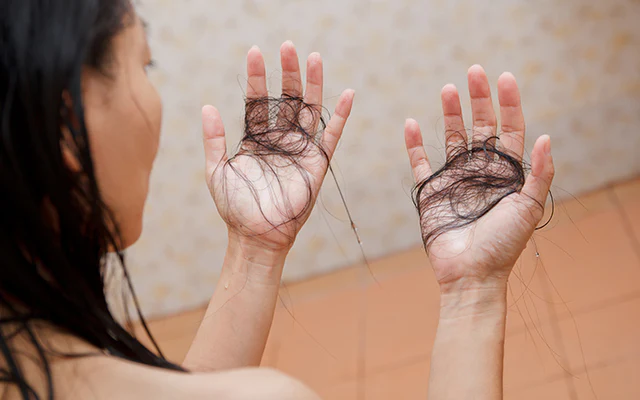
If you’ve ever looked at your comb or bathroom floor and felt shocked by how much hair is falling out, you’re not alone.
Hair fall feels scary because it looks like something is “going wrong” fast. I went through the same thing — and for a long time, I thought the solution was buying stronger shampoos or expensive treatments.
But the real turning point wasn’t a product.
It was changing how I washed my hair.
This is not a miracle story, and there’s no overnight fix here. But small, practical changes in my wash routine made a noticeable difference in reducing hair fall over time.
Let’s break down what actually helped — and why your current routine might be silently making hair fall worse.
First, Understanding What “Hair Fall” Really Means
Before changing anything, it’s important to understand one thing:
Not all hair fall is the same.
There’s a big difference between:
- Natural shedding (normal cycle)
- Breakage (hair snapping)
- Excessive hair fall (abnormal shedding)
On average, losing 50–100 hairs a day is normal. But when it feels like “too much,” it’s often due to habits that weaken hair or irritate the scalp.
And one of the biggest hidden causes? Your wash routine.
My Biggest Mistake: Washing Hair Without a System
Earlier, my hair wash routine was basically random:
- Shampoo whenever hair felt oily
- No proper scalp massage
- Rough towel drying
- No conditioning focus
- Hot water most of the time
I thought I was cleaning my hair properly.
But in reality, I was creating stress for my scalp and weakening my strands.
Once I started paying attention to how I washed my hair, things slowly changed.
Change #1: I Stopped Using Extremely Hot Water
This was the first major adjustment.
Hot water feels relaxing, but it can strip natural oils from your scalp. When the scalp becomes dry or irritated, it can lead to:
- Weak roots
- Itching
- Increased shedding
- Frizz and dryness
What I changed:
I switched to lukewarm water for washing.
This simple change helped my scalp feel calmer and less irritated after washes.
Change #2: I Started Massaging My Scalp Properly
Earlier, I would quickly apply shampoo and rinse it off.
No real attention to the scalp.
But the scalp is where everything starts.
What I started doing:
- Gentle circular massage using fingertips (not nails)
- 2–3 minutes of focus on the scalp
- No aggressive scratching
This helped improve circulation and made washing feel more effective without being harsh.
Change #3: I Stopped Overusing Shampoo
This was a big one.
I used to think more shampoo = cleaner scalp = less hair fall.
But over-cleansing can actually make things worse.
What I learned:
Shampoo is meant to clean the scalp, not strip it completely.
When you remove too much natural oil:
- Hair becomes dry
- Strands become brittle
- Breakage increases
What I changed:
- Shampoo only 2–3 times a week (not daily)
- Focus shampoo only on the scalp, not the full hair length
This helped reduce dryness-related shedding.
Change #4: I Started Conditioning the Right Way
Earlier, I ignored conditioner or applied it randomly.
Big mistake.
Conditioner is not just for softness — it helps protect hair from breakage.
What I started doing:
- Applied conditioner only to mid-lengths and ends
- Left it for a few minutes before rinsing
- Never applied it directly on the scalp
The difference was noticeable in how less tangled my hair became after washing.
Less tangles = less breakage = less hair fall.
Change #5: I Stopped Rough Towel Drying
One of the most overlooked causes of hair fall is how you dry your hair.
I used to:
- Rub my hair aggressively with a towel
- Twist it tightly
- Brush it immediately when wet
Wet hair is extremely fragile.
What I changed:
- Gently pressed water out using a soft towel
- Avoided rubbing
- Let hair air dry partially before combing
This reduced breakage a lot more than I expected.
Change #6: I Started Detangling Before Washing
This is something most people ignore.
If your hair is already tangled before washing, shampooing makes it worse.
What I started doing:
- Light detangling before shower
- Used a wide-tooth comb
- Removed small knots gently
This reduced hair pulling during washing significantly.
Change #7: I Reduced Wash Frequency
I used to think washing more often meant a healthier scalp.
But it actually made my scalp more sensitive and dry.
What I changed:
I adjusted based on hair type instead of routine pressure.
Now:
- Oily scalp: wash every 2–3 days
- Normal scalp: 2–3 times a week
- Dry hair: even less frequent washing
This helped balance oil levels naturally.
What Actually Reduced My Hair Fall the Most
After all these changes, the biggest improvements came from:
- Less scalp irritation
- Less breakage during washing
- Better moisture balance
- Reduced tangles
- Gentler handling overall
It wasn’t one single thing — it was consistency.
Common Washing Mistakes That Cause Hair Fall
Many people don’t realize these habits are damaging their hair:
1. Using too much shampoo
Leads to dryness and weak strands.
2. Scratching scalp with nails
Causes irritation and small wounds.
3. Washing hair every day
Strips natural oils repeatedly.
4. Rough towel rubbing
Breaks wet hair instantly.
5. Applying conditioner on scalp
Can cause buildup and irritation.
A Simple Hair Wash Routine That Actually Helps
Here’s a basic routine that works for most people:
Before washing:
- Detangle hair gently
- Use a wide-tooth comb
During washing:
- Lukewarm water
- Mild shampoo only on scalp
- Gentle fingertip massage
After washing:
- Conditioner on lengths only
- Pat dry with towel
- Air dry when possible
- Avoid brushing wet hair harshly
How Long It Takes to Notice Less Hair Fall
This is important.
You won’t see results overnight.
For most people:
- 1–2 weeks: less breakage
- 3–4 weeks: reduced shedding
- 6–8 weeks: noticeable improvement in hair strength
Consistency matters more than intensity.
When Hair Fall May Not Be Just Routine-Related
Sometimes changing your wash routine is not enough.
If you notice:
- Sudden heavy shedding
- Bald patches
- Very thin scalp areas
- Ongoing shedding for months
It may be linked to:
- Stress
- Hormonal imbalance
- Iron or vitamin deficiency
- Scalp conditions
In such cases, professional advice is important.
Final Thoughts
The biggest lesson I learned is simple:
Hair fall doesn’t always mean you need stronger products — sometimes it means you need a gentler routine.
My hair didn’t stop falling because I found a miracle shampoo. It improved because I stopped damaging it during the most basic step: washing.
Small changes like water temperature, shampoo use, and drying method made a bigger difference than expensive treatments ever did.
Healthy hair is often less about what you add… and more about what you stop doing.
FAQ
Why is my hair falling more after washing?
It’s often due to weak wet hair, harsh shampoo, or rough drying techniques causing breakage.
How many times should I wash my hair to reduce hair fall?
Most people benefit from 2–3 washes per week, depending on scalp type.
Does washing hair less reduce hair fall?
It can help if over-washing is causing dryness or irritation, but balance is important.
Is conditioner important for reducing hair fall?
Yes, it helps reduce tangles and breakage, which can lower visible hair fall.
Can changing wash routine really stop hair fall?
It can significantly reduce breakage-related hair fall, especially if poor washing habits were the cause.