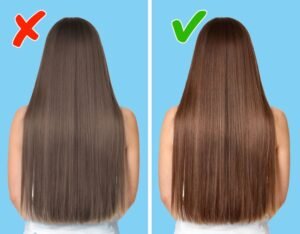
If your hair feels soft before washing but turns rough, stiff, or dry afterward, you’re not alone. This is one of the most common frustrations people face with natural hair care.
The confusing part is that washing is supposed to clean and refresh your hair—so why does it often leave it worse than before?
The answer is not just one thing. It’s usually a combination of habits, products, and misunderstanding how natural hair actually behaves when exposed to water, shampoo, and heat.
In this guide, we’ll break down exactly why your hair feels dry after washing and how to fix it in a realistic, long-term way.
First, Understand What “Dry Hair” Actually Means
Most people think dry hair simply means “not oily,” but that’s not true.
Dry hair means:
- Lacks moisture inside the hair strand
- Feels rough or straw-like
- Breaks easily
- Looks dull instead of shiny
- Tangles more than usual
This is different from scalp oiliness. You can have an oily scalp and still have dry hair strands.
That’s why washing alone doesn’t fix dryness—it often makes it worse if done incorrectly.
1. Your Shampoo Is Stripping Too Much Natural Oil
One of the biggest reasons hair feels dry after washing is harsh shampoo.
Many shampoos contain strong cleansing agents that remove dirt but also strip away natural oils your hair desperately needs.
What happens:
- Hair loses protective oil layer
- Cuticles become rough and raised
- Moisture escapes easily
- Hair feels stiff and dry after drying
Common mistake:
Using strong shampoos too frequently, especially ones designed for “deep cleansing” or “anti-oil control.”
Better approach:
- Choose mild or sulfate-free shampoos
- Wash only when needed, not daily
- Focus shampoo on the scalp, not the lengths
2. You’re Not Conditioning Properly (or Skipping It Completely)
Conditioner is not optional for natural hair—it’s essential.
After shampooing, hair cuticles open up. Without conditioner, they stay rough and exposed.
What conditioner actually does:
- Smooths the hair cuticle
- Locks in moisture
- Reduces friction and frizz
- Makes hair softer and easier to manage
Common mistake:
Applying conditioner incorrectly or skipping it entirely.
Many people:
- Apply it only for a few seconds
- Rinse it out too quickly
- Or apply it to the scalp instead of lengths
Fix:
- Leave conditioner on for at least 3–5 minutes
- Focus on mid-lengths and ends
- Use a wide-tooth comb while conditioner is in hair
3. Hard Water Is Damaging Your Hair Without You Realizing
This is something many people ignore.
Hard water contains minerals like calcium and magnesium that build up on hair over time.
What it causes:
- Dry, rough texture
- Dull appearance
- Reduced effectiveness of shampoo and conditioner
- Scalp irritation in some cases
If your hair feels dry only after washing, especially in certain areas, hard water might be a hidden cause.
Possible fix:
- Use a clarifying shampoo once every 2–3 weeks
- Consider a shower filter if possible
- Rinse hair with filtered or bottled water occasionally
4. You’re Washing Your Hair With Hot Water
Hot water feels relaxing, but it is one of the fastest ways to dry out hair.
What hot water does:
- Opens hair cuticles too much
- Removes too much natural oil
- Leaves hair weak and rough
Better approach:
- Use lukewarm water for washing
- Finish with a cool rinse to seal cuticles
This simple change alone can dramatically improve softness over time.
5. Your Hair Is Losing Moisture During Drying
Even if you moisturize properly in the shower, drying methods can undo everything.
Common mistakes:
- Rubbing hair aggressively with a towel
- Leaving hair wrapped in rough cotton towels for too long
- Using high heat from blow dryers too often
What actually happens:
Rough drying lifts the cuticle and causes moisture loss before your hair can lock it in.
Better methods:
- Use a microfiber towel or soft cotton T-shirt
- Pat hair gently instead of rubbing
- Air dry whenever possible
- If using heat, use low temperature and a heat protectant
6. You’re Not Locking in Moisture After Washing
This is one of the most overlooked steps in hair care.
Even if you condition properly, moisture can escape quickly if you don’t seal it in.
What sealing means:
Locking hydration into the hair using leave-in products or oils.
Signs you’re missing this step:
- Hair feels soft right after washing but dries out quickly
- Ends feel rough within hours
- Frizz returns too fast
Solution:
After washing:
- Apply a leave-in conditioner
- Follow with a lightweight oil or cream (depending on hair type)
This creates a protective barrier that slows moisture loss.
7. Your Hair Porosity Might Be Working Against You
Porosity means how well your hair absorbs and retains moisture.
Low porosity hair:
- Hard to absorb moisture
- Products sit on top of hair
- Needs lightweight, water-based products
High porosity hair:
- Absorbs moisture quickly but loses it fast
- Feels dry even after conditioning
- Needs heavier creams and sealing oils
Why this matters:
If you use the wrong products for your porosity, your hair may always feel dry no matter what you do.
8. Overwashing Your Hair
Washing too often removes natural oils faster than your scalp can replace them.
Signs of overwashing:
- Constant dryness
- Itchy scalp
- Hair feels “squeaky clean” but brittle
Better approach:
- Wash 1–3 times per week depending on hair type
- Adjust based on oiliness and lifestyle
Natural hair thrives on balance—not constant stripping.
9. Product Buildup Is Blocking Moisture
Sometimes hair feels dry because it’s actually coated in residue.
Causes:
- Heavy oils and butters used too often
- Silicones in products
- Not cleansing properly
What happens:
Moisture can’t penetrate the hair shaft properly.
Fix:
- Use a clarifying shampoo once or twice a month
- Simplify your product routine
- Avoid layering too many products at once
Quick Comparison: Healthy vs Dry Hair After Washing
| Healthy Hair | Dry Hair |
|---|---|
| Soft and flexible | Rough and stiff |
| Smooth texture | Frizzy and uneven |
| Easy detangling | Tangles easily |
| Retains moisture | Loses moisture quickly |
| Natural shine | Dull appearance |
Simple Step-by-Step Fix Routine
If your hair always feels dry after washing, try this routine:
Before washing:
- Detangle gently
- Oil lightly if hair is very dry
During washing:
- Use lukewarm water
- Apply mild shampoo to scalp only
- Rinse thoroughly
After washing:
- Apply conditioner and leave 3–5 minutes
- Rinse with cool water
- Pat dry with soft towel
After drying:
- Apply leave-in conditioner
- Seal with light oil or cream
- Avoid touching hair too much
Consistency matters more than complexity.
Common Mistakes People Keep Making
- Using too many “repair” products at once
- Changing shampoo every week
- Expecting instant results after one wash
- Ignoring scalp health completely
- Over-styling wet hair
- Not trimming split ends
Hair care is slow improvement, not instant transformation.
Pro Tips for Softer Hair After Washing
- Always detangle hair when it’s damp and conditioned
- Don’t skip conditioner even if hair feels fine
- Use satin or silk pillowcases to reduce moisture loss
- Deep condition once a week if hair is naturally dry
- Keep routines simple and consistent
FAQ
1. Why does my hair feel dry immediately after washing?
Usually due to harsh shampoo, lack of conditioning, or improper drying techniques.
2. Can oiling my hair fix post-wash dryness?
Yes, but only if done after moisturizing. Oil alone doesn’t hydrate hair—it seals moisture in.
3. How often should I wash dry hair?
Typically 1–2 times per week is enough for dry or curly hair types.
4. Is conditioner enough to stop dryness?
Conditioner helps a lot, but leave-in products and proper sealing are also important.
5. Why does my hair feel worse after washing sometimes?
It may be product buildup, hard water, or over-cleansing stripping natural oils.
Conclusion
If your natural hair always feels dry after washing, it’s not just bad luck—it’s usually a combination of small mistakes that build up over time.
The good news is that none of these issues are permanent. Once you understand how your hair reacts to shampoo, water temperature, conditioning, and moisture loss, you can completely change how your hair feels after every wash.
You don’t need a complicated routine. You need a consistent, gentle, and thoughtful one.
When you treat your hair with balance instead of aggression, softness stops being rare—and starts becoming normal.