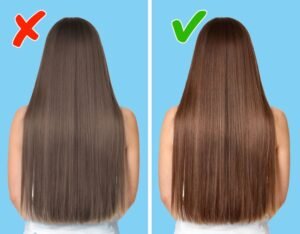
Most people follow hair care advice that sounds good but doesn’t actually fit their hair. That’s why so many routines fail. What works beautifully for one person can completely damage another person’s hair.
The truth is simple: healthy hair doesn’t come from expensive products or complicated routines. It comes from understanding your hair type and treating it consistently with the right care.
In this guide, you’ll learn how to build a practical, realistic hair care routine that actually works for your specific hair type—not just generic advice you see online.
Why Most Hair Care Routines Fail
Before building the right routine, it helps to understand why most people struggle with hair care in the first place.
Here are the most common reasons:
- Using products that don’t match hair type
- Washing hair too often or not enough
- Overloading hair with oils, serums, or treatments
- Copying someone else’s routine blindly
- Ignoring scalp health
- Expecting instant results
Hair care is not one-size-fits-all. Your scalp, texture, porosity, and even climate play a big role in how your hair behaves.
Once you understand this, everything becomes easier.
Step 1: Identify Your Hair Type Correctly
This is where most people go wrong. If you don’t know your hair type properly, every product you choose is basically a guess.
1. Straight Hair
- Naturally smooth and shiny
- Oil spreads quickly from scalp to ends
- Gets greasy faster
- Lacks volume sometimes
2. Wavy Hair
- Forms loose “S” shapes
- Can be frizzy in humidity
- Needs balance between moisture and lightness
3. Curly Hair
- Defined curls or ringlets
- Naturally dry because oil struggles to travel down strands
- Needs hydration and gentle handling
4. Coily/Kinky Hair
- Tight curls or zig-zag pattern
- Most fragile hair type
- Very dry without proper moisture routine
- Requires protective styling and deep conditioning
Quick Tip:
If you’re unsure, wash your hair, let it air dry without products, and observe its natural shape. That’s your true hair type.
Step 2: Understand Your Scalp Type
Healthy hair starts with a healthy scalp. Many people ignore this part completely.
Your scalp can be:
- Oily scalp
- Dry scalp
- Balanced scalp
- Sensitive scalp
Why this matters:
Even if you have curly or straight hair, your scalp determines how often you should wash your hair and what products you should use.
For example:
- Oily scalp = needs more frequent cleansing
- Dry scalp = needs gentle, less frequent washing
Think of your scalp as the “soil” where your hair grows.
Step 3: Build a Simple Core Hair Routine
A good hair care routine doesn’t need 15 steps. It needs consistency and balance.
Let’s break it down into a simple structure:
1. Cleansing (Shampoo)
This removes dirt, oil, and buildup.
- Oily hair: 2–4 times per week
- Normal hair: 2–3 times per week
- Dry hair: 1–2 times per week
Avoid harsh shampoos that strip natural oils completely.
2. Conditioning
Conditioner is not optional. It protects hair from dryness and breakage.
Apply mainly to:
- Mid-lengths
- Ends
Avoid scalp application unless product is specifically designed for it.
3. Moisturizing (Leave-in care)
This is especially important for curly and dry hair types.
Options include:
- Leave-in conditioner
- Hair cream
- Lightweight oils
4. Protection
This step is often ignored but very important.
- Use heat protectant before styling
- Avoid tight hairstyles that pull roots
- Sleep on silk or satin pillowcases
Step 4: Customize Your Routine Based on Hair Type
Now let’s make your routine more specific.
For Straight Hair
Main goal: control oil and add volume
Routine tips:
- Use lightweight shampoo
- Avoid heavy oils
- Focus conditioner on ends only
- Dry shampoo can help between washes
Common mistake:
Over-conditioning makes hair flat and greasy.
For Wavy Hair
Main goal: balance moisture and frizz control
Routine tips:
- Use sulfate-free shampoo
- Apply lightweight conditioner
- Use anti-frizz serum sparingly
- Air dry whenever possible
Common mistake:
Using products meant for curly hair that are too heavy.
For Curly Hair
Main goal: hydration and curl definition
Routine tips:
- Deep condition once a week
- Use curl creams or gels
- Detangle only when wet
- Avoid brushing dry hair
Common mistake:
Skipping moisture treatments, leading to frizz and breakage.
For Coily Hair
Main goal: intense moisture and protection
Routine tips:
- Use rich conditioners and butters
- Protective styles (braids, twists)
- Oil sealing method after moisturizing
- Minimal heat usage
Common mistake:
Not moisturizing often enough or over-manipulating hair.
Step 5: Weekly Hair Care Plan (Example)
Here’s a realistic weekly routine you can follow:
Monday:
- Wash hair
- Condition
- Light styling
Wednesday:
- Refresh with water spray or leave-in
- Light oil on ends
Friday:
- Scalp massage
- Apply oil treatment if needed
Sunday:
- Deep conditioning treatment
- Detangle gently
This is flexible—adjust based on your lifestyle.
Step 6: Avoid These Common Hair Care Mistakes
Even a good routine can fail if you’re making these mistakes:
- Washing hair with very hot water
- Overusing heat tools (straighteners, dryers)
- Skipping conditioner
- Using too many products at once
- Not trimming split ends
- Sleeping with wet hair
- Rough towel drying
Small habits make a big difference over time.
Step 7: How to Know Your Routine Is Working
You don’t need weeks of guesswork. Your hair will show signs:
Positive signs:
- Less breakage
- Softer texture
- Reduced frizz
- More shine
- Easier styling
Negative signs:
- Dryness increases
- Excessive oiliness
- Hair feels heavy or sticky
- More hair fall than usual
If something feels off, adjust one step at a time—not everything at once.
Step 8: Realistic Expectations (Very Important)
Healthy hair takes time. Many people quit too early because they expect fast results.
Here’s what to expect:
- 1–2 weeks: scalp feels cleaner
- 3–4 weeks: texture starts improving
- 6–8 weeks: visible health improvement
Consistency matters more than perfection.
Pro Tips from Hair Care Experts
- Always apply conditioner on damp hair, not soaking wet hair
- Use a wide-tooth comb for detangling
- Massage scalp for 3–5 minutes during wash days
- Don’t change products too frequently
- Focus on scalp health first, then hair length
FAQ – Hair Care Routine Questions
1. How do I know my hair type for sure?
Wash your hair, avoid products, let it dry naturally, and observe its pattern. That’s your natural hair type.
2. Can I use the same routine all year?
Not always. Weather changes can affect dryness and oiliness, so small seasonal adjustments help.
3. How often should I oil my hair?
1–3 times per week depending on dryness. Over-oiling can cause buildup.
4. Why is my hair not improving even with a routine?
You may be using the wrong products or not giving enough time for results. Also check scalp health.
5. Is expensive hair care better?
Not necessarily. Consistency and correct usage matter more than price.
Conclusion
Building a hair care routine that actually works isn’t about following trends or copying influencers. It’s about understanding your hair type, your scalp needs, and building simple habits that you can maintain long-term.
Once you stop overcomplicating things and start focusing on what your hair truly needs, everything becomes easier—less breakage, better texture, and healthier growth over time.
The best routine is not the most expensive or complex one. It’s the one you can actually stick to.