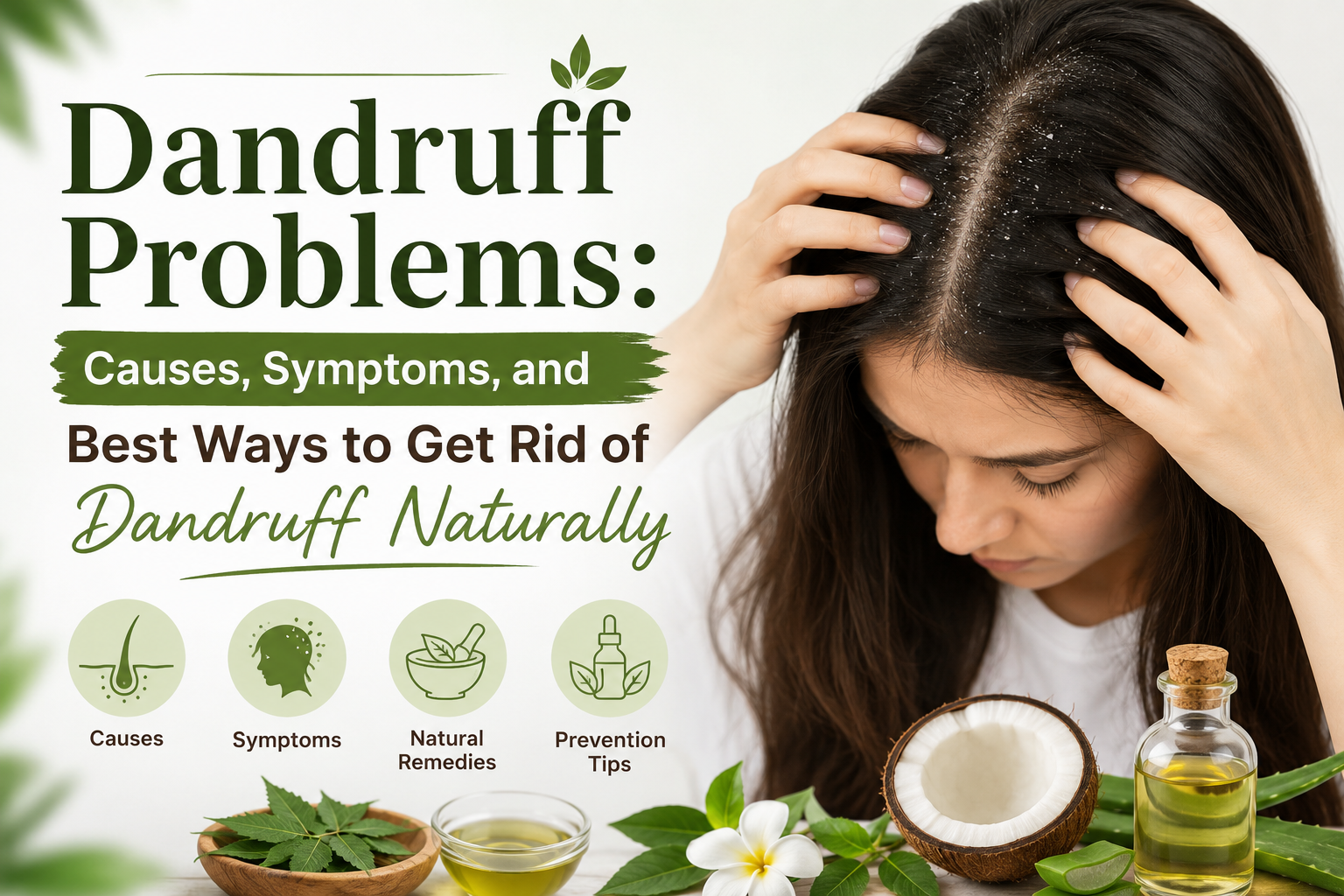
Dandruff is one of the most common scalp problems people deal with, yet it is often misunderstood. Many think dandruff only happens because of poor hygiene, but the reality is more complicated. Even people who wash their hair regularly can struggle with flakes, itching, and scalp irritation.
For some people, dandruff appears occasionally during weather changes or stress. For others, it becomes a long-term issue that affects confidence and comfort. White flakes on dark clothes, constant scalp itching, and oily buildup can become frustrating very quickly.
The good news is that dandruff is usually manageable with the right scalp care habits, proper products, and a better understanding of what causes it.
This guide explains dandruff problems in detail, including symptoms, causes, treatments, natural remedies, and common mistakes that make dandruff worse.
Table of Contents
- What Is Dandruff?
- Common Symptoms of Dandruff
- Main Causes of Dandruff
- Types of Dandruff
- How to Treat Dandruff Properly
- Natural Remedies for Dandruff
- Best Hair Care Habits for Dandruff Control
- Foods That May Help Scalp Health
- Common Dandruff Mistakes to Avoid
- Dandruff Treatment Comparison Table
- When to See a Doctor
- FAQ
- Conclusion
1. What Is Dandruff?
Dandruff is a scalp condition that causes dead skin flakes to shed excessively from the scalp.
It is often associated with:
- White or yellow flakes
- Scalp itching
- Dryness or oiliness
- Irritated scalp skin
Dandruff itself is not dangerous, but persistent scalp irritation can become uncomfortable and difficult to manage.
2. Common Symptoms of Dandruff
Symptoms can vary from mild to severe.
Most common signs:
- White flakes on hair or clothing
- Itchy scalp
- Oily scalp patches
- Dry scalp feeling
- Redness or irritation
Symptoms often worsen during cold weather or stress.
3. Main Causes of Dandruff
There is no single cause of dandruff. Several factors may contribute.
1. Dry Scalp
One of the most common causes.
Signs:
- Small white flakes
- Tight or rough scalp feeling
Cold weather often makes this worse.
2. Oily Scalp and Seborrheic Dermatitis
Excess oil can irritate the scalp and increase flaking.
Symptoms:
- Yellowish flakes
- Greasy scalp
- Redness
3. Fungal Growth
A yeast-like fungus called Malassezia naturally exists on the scalp, but overgrowth may trigger dandruff in some people.
4. Product Buildup
Heavy oils, sprays, gels, or infrequent washing can lead to scalp buildup.
5. Poor Hair Care Routine
Irregular shampooing or harsh products can disrupt scalp balance.
6. Stress and Lifestyle Factors
Stress can worsen skin and scalp conditions, including dandruff.
4. Types of Dandruff
Dry Dandruff
Small, dry flakes usually linked to dehydration or weather.
Oily Dandruff
Sticky yellow flakes caused by excess scalp oil.
Fungal Dandruff
Often linked to irritation and fungal imbalance.
Product-Related Dandruff
Triggered by reactions to hair products or buildup.
Understanding the type helps choose better treatment methods.
5. How to Treat Dandruff Properly
Treatment depends on the cause and severity.
Use Anti-Dandruff Shampoo
Look for ingredients like:
| Ingredient | Purpose |
|---|---|
| Zinc Pyrithione | Reduces fungal growth |
| Ketoconazole | Controls scalp fungus |
| Salicylic Acid | Removes flakes |
| Selenium Sulfide | Reduces oil and fungus |
| Coal Tar | Slows skin buildup |
Consistency matters more than using too much product.
Wash Hair Regularly
For oily scalps, regular washing helps reduce buildup and excess oil.
For dry scalps, avoid over-washing with harsh shampoos.
Avoid Scratching the Scalp
Scratching irritates the scalp further and may worsen inflammation.
Use Lukewarm Water
Very hot water can dry or irritate the scalp.
6. Natural Remedies for Dandruff
Natural methods may help mild dandruff cases.
1. Coconut Oil
Helps moisturize dry scalp.
How to use:
Apply lightly before washing hair.
2. Aloe Vera
Known for soothing irritated skin.
3. Tea Tree Oil
May help reduce fungal growth.
Important:
Always dilute properly before use.
4. Apple Cider Vinegar
Some people use diluted vinegar rinses to reduce buildup.
7. Best Hair Care Habits for Dandruff Control
Helpful habits:
- Keep scalp clean
- Use mild shampoos when possible
- Avoid excessive hair products
- Clean combs and brushes regularly
- Maintain balanced diet and hydration
Healthy scalp care is usually more effective than aggressive treatments.
8. Foods That May Help Scalp Health
Nutrition affects skin and scalp condition.
Helpful nutrients:
- Omega-3 fatty acids
- Zinc
- Vitamin B
- Protein-rich foods
Good food choices:
- Fish
- Eggs
- Nuts
- Leafy vegetables
- Yogurt
Healthy eating supports healthier skin and scalp.
9. Common Dandruff Mistakes to Avoid
1. Using Too Much Oil
Heavy oiling can worsen oily dandruff.
2. Overusing Harsh Shampoos
Can irritate and dry the scalp.
3. Inconsistent Treatment
Stopping treatment too early often causes dandruff to return.
4. Ignoring Diet and Stress
Lifestyle factors matter more than many people realize.
5. Sharing Hair Tools
Can spread scalp irritation or infections.
10. Dandruff Treatment Comparison Table
| Treatment Method | Best For | Advantages | Limitations |
|---|---|---|---|
| Anti-Dandruff Shampoo | Moderate-Severe dandruff | Effective and accessible | Needs regular use |
| Coconut Oil | Dry scalp | Moisturizing | Not ideal for oily dandruff |
| Tea Tree Oil | Mild fungal dandruff | Natural antifungal | Can irritate sensitive skin |
| Aloe Vera | Irritated scalp | Soothing effect | Mild results |
| Lifestyle Improvements | Long-term prevention | Supports overall scalp health | Takes time |
11. When to See a Doctor
You should consider professional help if:
- Dandruff becomes severe
- Scalp bleeds or becomes painful
- Over-the-counter products do not help
- Hair loss increases significantly
- Symptoms spread beyond the scalp
Sometimes dandruff-like symptoms may actually be eczema, psoriasis, or fungal infections.
FAQ: Dandruff Problems
1. What is the main cause of dandruff?
Common causes include oily scalp, dry skin, fungal imbalance, and product buildup.
2. Can dandruff cause hair loss?
Severe scalp irritation and scratching may contribute to temporary hair shedding.
3. How often should I wash my hair if I have dandruff?
It depends on scalp type, but regular cleansing usually helps control flakes.
4. Is dandruff contagious?
No, ordinary dandruff is not contagious.
5. Can natural remedies completely remove dandruff?
They may help mild cases, but stronger dandruff often requires medicated products.
Conclusion
Dandruff problems can be frustrating, but they are usually manageable with the right care routine and treatment approach. Understanding whether your scalp is dry, oily, irritated, or affected by product buildup makes a big difference in choosing the right solution.
The key is consistency. Gentle scalp care, regular cleansing, proper nutrition, and suitable treatment products often provide better long-term results than harsh or aggressive methods.
Healthy hair starts with a healthy scalp, and small daily habits can gradually improve dandruff control over time.