Most people think slow hair growth is caused by genetics or expensive products not working.
But in reality, your daily habits often play a much bigger role than you realize.
The frustrating part is that these habits don’t damage your hair overnight. They work slowly in the background — weakening strands, irritating the scalp, and increasing breakage until your hair looks like it “stopped growing.”
The truth is, your hair may actually be growing normally. It just keeps breaking before you see the length.
Let’s look at 7 common daily habits that silently destroy hair growth and what you can do to fix them.
1. Tying Your Hair Too Tight Every Day
This is one of the most overlooked causes of hair damage.
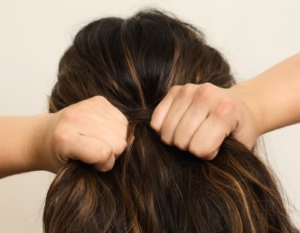
Tight ponytails, buns, braids, and clips put constant tension on your hair roots. Over time, this can weaken follicles and lead to breakage, especially around the hairline.
What happens:
- Hair gets pulled repeatedly
- Roots become stressed
- Breakage increases near scalp and ends
Better habit:
- Use loose hairstyles
- Avoid tight rubber bands
- Change your hairstyle regularly
Your hair needs freedom, not constant pulling.
2. Brushing Hair Roughly When It’s Wet
Wet hair is extremely fragile. When you brush it aggressively, it stretches and breaks easily.
Many people unknowingly damage their hair right after a shower.
Common mistake:
- Brushing from roots to ends quickly
- Using fine-tooth combs on wet tangles
Better habit:
- Use a wide-tooth comb
- Start detangling from the ends first
- Be gentle and patient
Small change, big difference in breakage control.
3. Using Heat Styling Too Frequently
Heat tools like straighteners and curling irons give instant styling results, but long-term damage builds silently.
Even if your hair looks fine on the outside, internal moisture loss weakens it over time.
Signs of heat damage:
- Dry, brittle ends
- Split ends
- Lack of shine
- Increased breakage
Better habit:
- Reduce heat styling days
- Use lower temperatures
- Let hair air-dry when possible
Your hair doesn’t need heat every day.
4. Ignoring Your Scalp Health
Healthy hair starts from a healthy scalp.
If your scalp is clogged, oily, or irritated, it can affect hair growth at the root level.
Common scalp issues:
- Dandruff
- Excess oil
- Product buildup
- Itching or inflammation
Better habit:
- Keep scalp clean but not over-washed
- Massage gently while washing
- Use lightweight products when possible
Think of your scalp as the soil — if it’s unhealthy, hair won’t thrive.
5. Sleeping Without Protecting Your Hair
Nighttime is when your hair experiences a lot of friction.
Cotton pillowcases and loose hair movement during sleep can lead to tangles and breakage.
What happens:
- Hair rubs against pillow
- Cuticle gets damaged
- Ends become dry and rough
Better habit:
- Use satin or silk pillowcases
- Tie hair loosely before sleep
- Avoid sleeping with wet hair
This is one of the easiest habits to fix.
6. Overwashing or Using Harsh Shampoo
Many people believe washing hair daily is “clean and healthy,” but over-cleansing can strip natural oils.
When your scalp becomes too dry, hair becomes weak and more prone to breakage.
Signs of over-washing:
- Dry scalp
- Frizzy ends
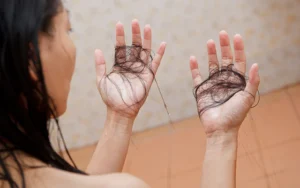
- Increased hair fall after washing
Better habit:
- Wash 2–3 times per week (depending on hair type)
- Use mild shampoo
- Focus shampoo only on scalp, not full length
Balance is more important than frequency.
7. Poor Diet and Low Hydration
Hair is made of protein, and it needs proper nutrients to grow strong.
If your body lacks essential vitamins and minerals, hair growth slows down and strands become weaker.
Nutrients your hair needs:
- Protein
- Iron
- Zinc
- Healthy fats
- Vitamins (especially D and B complex)
Better habit:
- Eat balanced meals
- Drink enough water daily
- Avoid extreme crash diets
Healthy hair starts inside your body, not just outside products.
Why These Habits Matter More Than Products
The biggest mistake people make is focusing only on products.
Shampoos, oils, and serums can help improve appearance, but they cannot fully fix daily damage caused by habits.
If your routine keeps harming your hair, no product will be enough.
Real hair growth improvement comes from:
- Reducing breakage
- Supporting scalp health
- Improving daily handling
- Being consistent
Simple Daily Hair Care Reset Routine
If you want healthier hair growth, try this simple routine:
Morning:
- Avoid tight hairstyles
- Be gentle while brushing
Wash days:
- Use mild shampoo
- Condition properly
- Avoid hot water
Night:
- Protect hair while sleeping
- Reduce friction
- Keep hair loosely tied
Consistency matters more than complexity.
Common Mistakes That Stop Hair Growth Progress
- Switching products too often
- Expecting instant results
- Ignoring split ends
- Using too much heat
- Not caring for scalp health
Hair improvement takes time, not shortcuts.
FAQ
Why is my hair not growing even though I take care of it?
Your hair may be breaking faster than it grows due to daily habits like heat styling, tight hairstyles, or poor scalp care.
Can bad habits really stop hair growth?
Yes. Many habits don’t stop growth at the root but increase breakage, making hair look like it’s not growing.
How long does it take to fix damaged hair habits?
Most people notice improvement within 4–8 weeks of consistent care.
Is oiling enough to fix slow hair growth?
No. Oil helps, but it cannot fix damage caused by heat, tension, or poor routine alone.
What is the fastest way to improve hair growth?
Focus on reducing breakage, improving scalp health, and maintaining a consistent gentle routine.
Conclusion
Your hair growth is not just about genetics or expensive products.
It is heavily influenced by your daily habits — the small things you repeat without thinking.
Tight hairstyles, heat styling, rough brushing, poor scalp care, and diet choices slowly build up damage over time.
The good news is that once you fix these habits, your hair doesn’t need anything extreme to improve. It simply needs consistency, patience, and better care.
Healthy hair growth is less about doing more — and more about doing less damage every day.