Oiling hair is often seen as one of the simplest and most natural ways to improve hair health.
But here’s something most people don’t realize:
Even a good habit can cause problems when done incorrectly.
Weekly hair oiling is common in many routines, yet many people unknowingly apply oil in ways that can actually lead to buildup, scalp issues, and even increased hair fall.
The goal of oiling is to nourish and protect your hair — but wrong techniques can quietly do the opposite over time.
Let’s break down what really happens when you oil your hair incorrectly every week and how to fix it before it affects your hair growth.
1. Scalp Buildup That Blocks Hair Follicles
One of the most common problems caused by incorrect oiling is buildup on the scalp.
Oil does not “disappear” after application. If it is not washed properly, it mixes with:
- Dust
- Dead skin cells
- Sweat
- Product residue
Over time, this forms a layer that can block hair follicles.
What this leads to:
- Slower hair growth
- Itchy scalp
- Greasy roots
- Weak hair at the base
Why it happens:
Applying too much oil or not washing it out properly is usually the main reason.
2. Increased Hair Fall During Washing
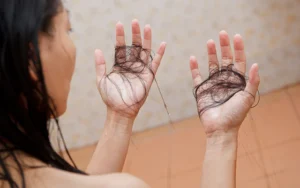
Many people notice more hair fall on wash days after oiling.
This doesn’t always mean oil is causing hair fall directly — but incorrect application and removal techniques can worsen shedding.
Common mistakes:
- Leaving oil for too long
- Using harsh shampoo to remove heavy oil
- Scrubbing aggressively during wash
This combination weakens already fragile strands and leads to visible hair fall.
3. Clogged and Irritated Scalp
Your scalp needs balance.
When oil is applied too frequently or too heavily, it can disrupt that balance.
Signs of scalp irritation:
- Constant itching
- Small bumps or pimples
- Redness
- Sticky scalp feeling
This often happens when oil is not suited to your scalp type or is left on for too long repeatedly.
4. Hair Becoming Greasy and Heavy
Instead of looking healthy, hair may start looking:
- Flat
- Sticky
- Oily even after washing
- Hard to style
This happens when oil is applied to the entire hair length every week without proper washing habits.
Hair doesn’t always need oil from roots to ends.
5. Weakening of Hair Strands Over Time
This surprises many people:
Too much oil buildup can actually weaken hair instead of strengthening it.
When the scalp is constantly coated:
- Natural breathing of follicles is reduced
- Dirt and oil accumulate faster
- Hair becomes more prone to breakage
Healthy hair needs a clean and balanced environment, not constant layering.
6. Misleading “Hair Fall After Oil Massage”
Many people panic when they see hair falling after oil massage.
But in most cases, this is not new hair fall — it is loose or already shedding hair being released during massage.
However, rough oil massage can:
- Pull weak strands
- Stress the roots
- Increase breakage
Gentle technique matters more than pressure or quantity of oil.
7. Delayed Hair Growth Progress
If oiling is not done correctly, it can indirectly slow visible hair growth progress.
Not because oil stops growth, but because:
- Breakage increases
- Scalp health reduces
- Follicles get clogged
- Hair becomes weaker at the ends
So even if hair is growing from the roots, length retention becomes poor.
Common Oiling Mistakes Most People Make
1. Using too much oil
More oil does not mean better results. It often leads to buildup.
2. Applying oil on dirty scalp
Oil traps dirt and worsens scalp issues.
3. Leaving oil for too long
Leaving oil overnight every time is not necessary for everyone.
4. Aggressive oil massage
Hard rubbing can weaken roots and cause breakage.
5. Not washing properly
Incomplete cleansing leads to residue and clogged follicles.
How to Oil Your Hair Correctly (Simple Method)
If you still want the benefits of oiling without the damage, here’s a balanced approach:
Step 1: Use a small amount
A few drops are often enough, depending on hair length.
Step 2: Focus on scalp, not full hair
Light application on scalp is usually more effective than soaking the entire length.
Step 3: Gentle massage only
Use fingertips, not nails, and avoid harsh pressure.
Step 4: Don’t leave it too long unnecessarily
1–3 hours is often enough for most hair types.
Step 5: Wash properly with mild shampoo
Make sure oil is fully removed without harsh scrubbing.
When Oiling May Not Suit Your Hair Type
Not every hair type reacts the same way.
You may need to reduce oiling if you have:
- Very oily scalp
- Dandruff-prone scalp
- Fine, thin hair
- Product buildup issues
In such cases, less frequent or lighter oiling often works better.
Does Oiling Actually Help Hair Growth?
Yes — but only when done correctly.
Oil can help:
- Improve scalp moisture
- Reduce friction
- Support healthier environment for hair
But it cannot:
- Fix hormonal hair loss
- Reverse severe damage instantly
- Replace proper nutrition and care habits
FAQ
Can incorrect oiling cause hair fall?
It can contribute to breakage and scalp issues if oil is overused or not washed properly.
How often should I oil my hair?
For most people, 1–2 times a week is enough depending on scalp type.
Should oil be applied to wet or dry hair?
Light oiling is usually better on dry or slightly damp hair, not soaking wet hair.
Why does my hair feel worse after oiling?
It may be due to excess oil, buildup, or not washing properly after application.
Is leaving oil overnight bad?
Not always, but for some scalp types it can cause buildup or irritation if done too frequently.
Conclusion
Oiling your hair is not harmful by itself — but incorrect habits can slowly create problems you don’t immediately notice.
Too much oil, poor application, and improper washing can lead to buildup, scalp irritation, and even increased hair fall over time.
The key is balance.
When done correctly and in moderation, oiling can support healthier hair. But when overdone or done carelessly, it can quietly work against your hair goals instead of helping them.
Healthy hair care is not about doing more — it’s about doing things the right way.